


Fly-Tipping Investigation & Environmental Crime Enforcement
Delivered by specialists with backgrounds in UK Special Forces, government, and defence, ensuring the highest professional standards.
Fly-tipping is not a minor nuisance. It is an organised, repeat offence that costs local authorities millions of pounds each year, damages communities, and when conventional deterrents fail, requires a structured, intelligence-led response to resolve. S2K provides the technical surveillance and covert human surveillance capability to identify offenders, build an evidential case, and support prosecution, delivering outcomes that persist long after the operation concludes.
Who is this for?
Fly-tipping investigations present a specific operational challenge. Offenders are often deliberate and habitual, operating outside normal hours, using unfamiliar vehicles, and actively avoiding detection. Cameras alone rarely solve the problem. Identifying an offender, confirming their identity, and tracing them to an address requires human intelligence capability working alongside technical assets.
S2K is engaged by local authorities, landowners, and waste enforcement teams to support:
Persistent fly-tipping across multiple locations within a borough or estate
Environmental crime investigations requiring court-admissible evidence
Cases where technical surveillance alone has failed to identify offenders
Investigations needing positive identification and confirmed home addresses
Enforcement action including fixed penalty notices, prosecution, and civil cost recovery
Situations where repeat offending is placing significant financial strain on council resources
How We Operate
Fly-tipping investigations require more than a camera at a known hotspot. In our experience, the cases that reach S2K are the ones where simpler approaches have already been tried and have failed. Offenders who have evaded detection once will adapt. Resolving that requires a blended approach, technical assets that capture the offence, and covert human surveillance that confirms who committed it.
Before any deployment, we conduct a full legal review including risk assessments and Data Protection Impact Assessments (DPIAs). All technical surveillance installations are authorised in accordance with relevant legislation, and necessity and proportionality criteria are satisfied before any asset goes live. Evidence gathered without proper authorisation is evidence that won't stand up in court, and a prosecution that fails is worse than no prosecution at all.
Once authorised, technical assets are deployed at identified hotspots, positioned to capture relevant activity while minimising intrusion into unrelated areas. The intelligence those assets produce feeds directly into our covert human surveillance teams. When a subject is identified on camera, operatives follow them discreetly from the scene, establish positive identification, and trace them to their home address. The result is an evidential package that connects an offence to a named individual at a confirmed address, the foundation any enforcement action requires.
Case Study : Fly-Tipping Investigation, Local Authority, Multiple Locations
Background
S2K was engaged by a local authority dealing with persistent fly-tipping across multiple locations within the borough. The incidents were causing environmental damage, placing significant financial strain on council resources through repeated clean-up operations, and generating increasing concern among local residents. Previous deterrent measures had failed. Offenders were operating covertly, outside normal hours, and had demonstrated an awareness of fixed camera positions.
The council needed to move beyond deterrence and into enforcement, and to do so lawfully, with evidence that would hold up in court.
The Requirement
The objective was clear: identify those responsible, obtain admissible evidence linking named individuals to specific offences, and support prosecution. The operation also needed to produce results that would have a lasting effect on offending behaviour across the affected areas, not just resolve individual incidents in isolation.
Our Approach
Before a single asset was deployed, the operation underwent a full legal review. Risk assessments and Data Protection Impact Assessments were completed. All surveillance activity was formally authorised in accordance with relevant legislation, with necessity, proportionality, and evidential integrity embedded into the operational framework from the outset.
Targeted technical surveillance installations were then deployed at identified hotspots across the borough. Assets were carefully positioned to capture relevant activity, offences in progress, vehicle details, and subject movements, while minimising any intrusion into unrelated private activity. Specific technical configurations and positioning remain operationally confidential.
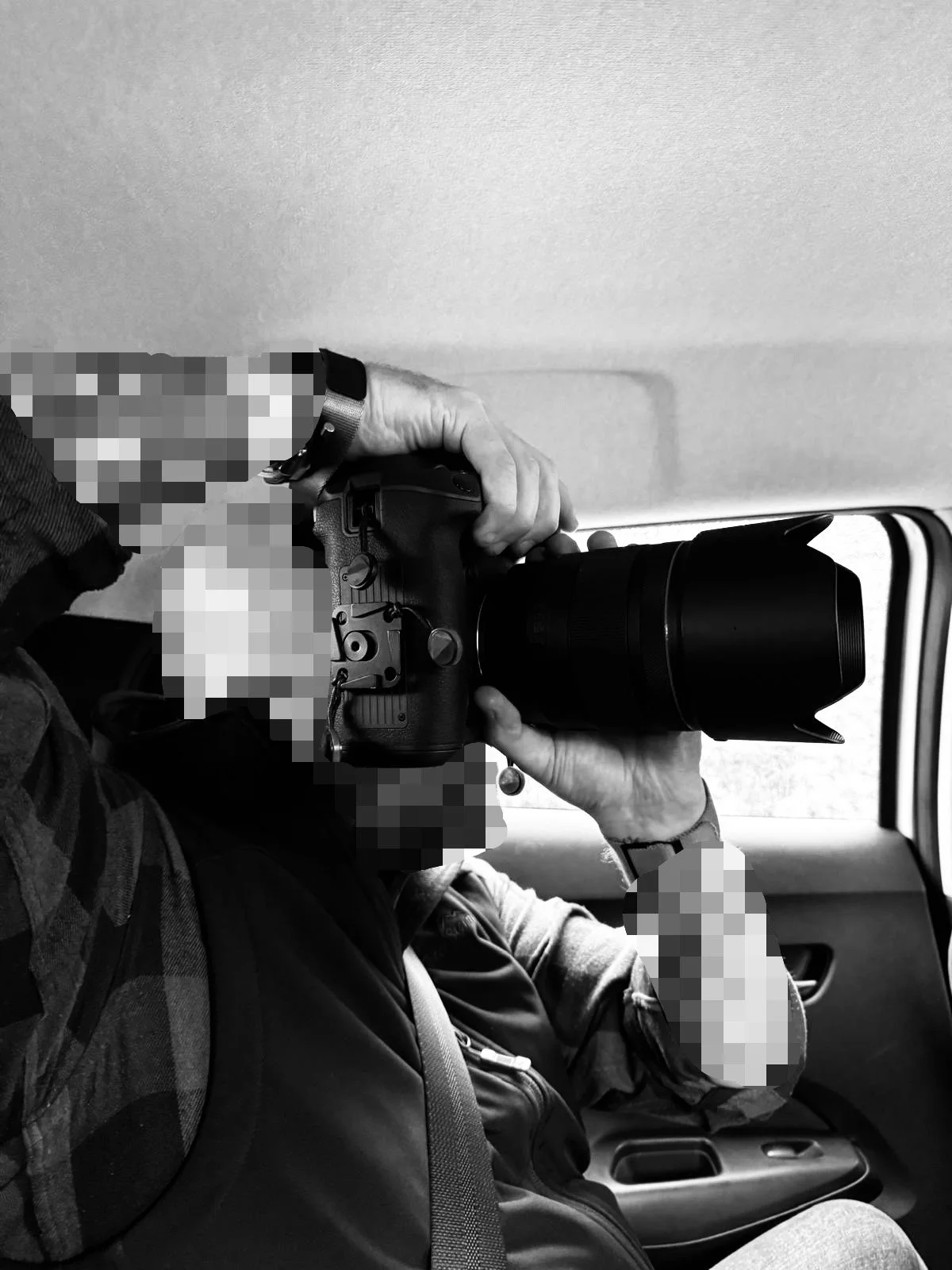
The intelligence produced by the technical deployment was analysed and used to direct a dedicated covert human surveillance team. When subjects were identified on camera committing offences, operatives followed them discreetly from the scene. Through controlled foot and mobile surveillance, positive identification was established and subjects were traced to their respective home addresses, closing the evidential loop between the offence and the offender.
The two strands operated in concert throughout. Technical intelligence directed human resource. Human surveillance confirmed identity and established addresses. Neither strand alone would have produced the outcome the council needed.
Outcome
The surveillance confirmed that the teenager was not involved in the misuse of controlled substances. This was not the outcome the parents had anticipated, but it was the right one.
Multiple offenders were identified through the combined technical and human surveillance operation
Comprehensive evidential packages were compiled for each subject, including footage of offences, positive identification, and confirmed residential addresses
The local authority was able to serve enforcement notices with confidence, backed by a complete evidential record
All evidence gathered was admissible and successfully withstood scrutiny during prosecution proceedings
Following enforcement action, fly-tipping incidents across the affected locations reduced markedly
Financial Impact
The reduction in repeat offending delivered measurable cost efficiencies for the council. Resources previously committed to repeated reactive clean-up operations were freed up and reallocated to wider community services and environmental initiatives. The operation generated estimated five-figure annual savings, making it not only an enforcement success but a financially sound investment in the authority's long-term operational capacity.
Community Impact
Beyond the financial and legal outcomes, the operation restored confidence within the local community that persistent environmental crime was being taken seriously and addressed effectively. Residents saw a tangible reduction in incidents. The message sent to would-be offenders, that covert surveillance and enforcement action are live possibilities, had a deterrent effect that continued well beyond the conclusion of the operation itself.
Why this case matters
Fly-tipping costs English local authorities over £50 million a year in clean-up alone. The majority of that burden falls on councils that lack the specialist investigative capability to move from reactive clean-up to proactive enforcement. S2K bridges that gap, bringing the same intelligence-led approach used in serious corporate and government investigations to bear on one of the most persistent and costly problems in local authority management.
If your authority or organisation is dealing with repeat fly-tipping that conventional measures have failed to resolve, contact us to discuss your situation. We will give you an honest assessment of what a properly structured investigation can achieve.
Fly-Tipping Investigation Frequently Asked Questions
-
Yes. Local authorities have specific powers under the Regulation of Investigatory Powers Act (RIPA) to authorise directed surveillance for the prevention or detection of crime, which includes fly-tipping and other environmental offences. Private landowners also have options available to them, subject to compliance with data protection legislation and proportionality requirements. S2K conducts a full legal review and completes all required authorisation processes before any surveillance asset is deployed, ensuring that the evidence gathered is admissible and the operation is legally defensible from start to finish.
-
Fixed CCTV captures footage, but footage alone rarely identifies an offender to the standard required for prosecution. Offenders frequently use unfamiliar vehicles, obscure registration plates, and operate in ways that exploit the limitations of static cameras. Positive identification — confirming who the individual is and where they live, typically requires covert human surveillance working alongside the technical record. S2K's integrated approach closes that gap, producing an evidential package that connects a named individual at a confirmed address to a specific offence on a specific date.
-
A complete evidential package typically includes footage or imagery of the offence in progress, vehicle details, positive identification of the subject, confirmation of their home address, and a structured, time-stamped intelligence report narrating the full operation. S2K's reports are formatted to meet the evidential requirements of both criminal prosecution and civil enforcement proceedings, including fixed penalty notices and cost recovery actions. All material is handled and stored in accordance with data protection legislation throughout.
-
A Data Protection Impact Assessment (DPIA) is a formal process required under UK GDPR when processing personal data in ways that are likely to result in a high risk to individuals, covert surveillance being one such activity. Completing a DPIA before deployment is not optional for public authorities, it is a legal requirement. It also protects the integrity of the evidence gathered: material obtained without proper assessment and authorisation is vulnerable to challenge and may be ruled inadmissible. S2K completes DPIAs as standard on every relevant deployment.
-
Yes, subject to compliance with UK GDPR and data protection law. Private landowners, farmers, and rural estate managers are among those who engage S2K for fly-tipping investigations on private land. The same legal framework applies, surveillance must be necessary, proportionate, and handled to data protection standards, but private landowners do not require RIPA authorisation in the same way a public authority does. S2K will advise on the correct legal framework for your specific situation before any deployment begins.
-
Cost depends on the scope of the operation, the number of locations, the duration of deployment, and the level of human surveillance resource required. What we can say is that a professionally conducted investigation, resulting in prosecution and a sustained reduction in offending, typically delivers significant cost savings relative to the ongoing burden of reactive clean-up. In the case study above, the operation generated estimated five-figure annual savings for the council. We provide honest, detailed cost assessments at the outset so clients can make an informed decision before committing.
Our Operational Surveillance Services
-

Protective Surveillance
Our Protective Surveillance service offers discreet, intelligence-led security for individuals, corporate teams, and high-risk meetings.
-

Technical Surveillance
Our Technical Surveillance capability provides clients with discreet, covert monitoring solutions that are ethically planned, legally compliant.
-

Technical Surveillance Counter Measures
S2K provide discreet, high-level Technical Surveillance Counter Measures (TSCM) operations for private, corporate, and legal-sector clients across the UK.
-
Penetration Testing
Our Red Team operations are designed to rigorously assess the physical, technical, and human security measures protecting your organisation.
-

Investigative Support services
Our Investigative Support services provide specialist assistance to clients who require professional, impartial input during sensitive or complex cases.
-

All Services
Each service is delivered with precision and professionalism, tailored to meet the unique demands of our clients in any environment.