

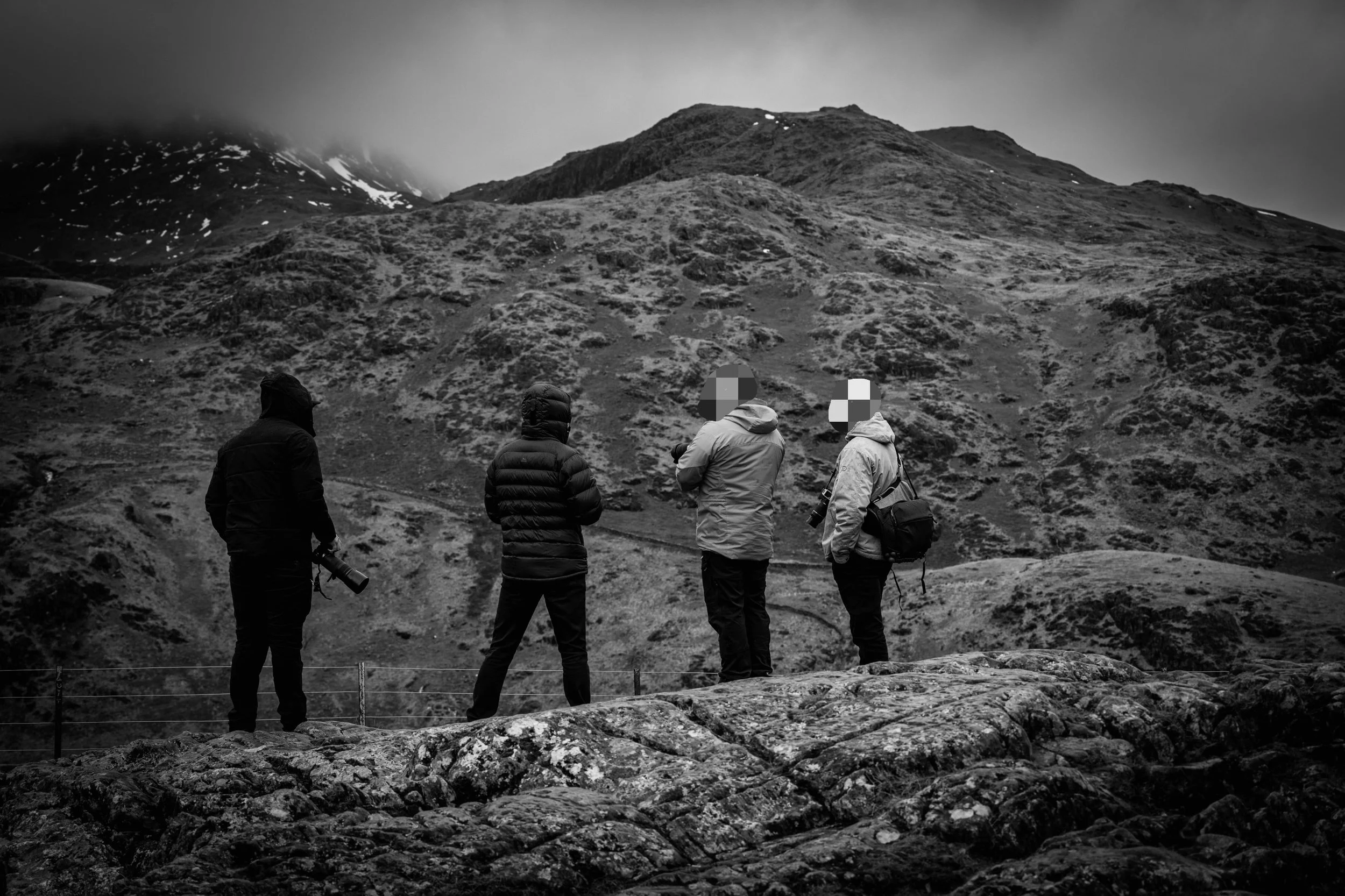
Anti-Social Behaviour & Vandalism Investigation
Delivered by specialists with backgrounds in UK Special Forces, government, and defence.
When repeated damage to public property persists despite conventional measures, local authorities and community organisations need a more structured response. S2K provides intelligence-led technical surveillance and covert human surveillance capabilities to identify those responsible, gather legally admissible evidence, and support enforcement action, all within strict legal and ethical boundaries.
Who is this for?
Persistent anti-social behaviour, vandalism, and damage to public or private property are among the most frustrating problems a local authority, housing association, or community organisation can face. Offenders are often repeat actors who have learned to avoid conventional deterrents. Identifying them requires a structured, intelligence-led approach that can withstand legal scrutiny.
S2K is regularly engaged to support:
Local authority anti-social behaviour investigations
Persistent vandalism and criminal damage to public property
Fly-tipping investigations on public and private land
Housing association tenancy breach investigations
Damage to community facilities, parks, and infrastructure
Cases requiring court-admissible evidence for prosecution or enforcement
How We Operate
Every technical surveillance deployment S2K undertakes begins with a full legal review. Before any equipment is positioned or any operative deployed, we assess the operation against necessity, proportionality, and legality requirements, including compliance with relevant local authority governance frameworks, the Regulation of Investigatory Powers Act (RIPA), and data protection legislation. Technical measures are only authorised once those criteria are satisfied.
Once approved, we develop a blended technical and human surveillance strategy tailored to the specific environment and behaviour pattern. Technical assets are positioned to capture relevant activity in targeted locations while minimising any intrusion into unrelated private life. The intelligence gathered feeds directly into our covert human surveillance teams, allowing real-time decision-making and effective subject identification.
We do not deploy off-the-shelf solutions or hand the operation to unvetted subcontractors. Every operative involved has been trained and assessed by us. Every piece of intelligence is handled, stored, and reported to evidential standards from day one.
Case Study : Technical & Covert Surveillance for an Anti-Social Behaviour Investigation, for Local Authorities
Background
S2K was engaged by a local authority to support an ongoing investigation into persistent anti-social behaviour. Repeated vandalism and damage to public property and community facilities had caused significant disruption and concern within the local area. The behaviour was sustained, the offenders unidentified, and previous deterrent measures had failed to produce results.
The local authority required a proportionate, lawful solution, one that would identify those responsible, produce evidence suitable for enforcement action, and maintain full compliance with their governance obligations and public trust responsibilities.
The Requirement
The client needed more than a camera pointing at a wall. They needed an intelligence-led operation that could connect technical data to real-world subjects, build an evidential picture robust enough for prosecution, and do so without generating complaints or compromising the authority's public-facing obligations.
A structured, two-strand approach was developed to meet that requirement.
Our Approach
Before a single asset was deployed, a full legal review was completed. The operation was assessed against necessity, proportionality, and legality criteria, and formal authorisation was obtained in accordance with local authority governance frameworks and relevant legislation. Nothing went live until oversight requirements were fully satisfied.
Technical surveillance measures were then deployed at targeted locations — areas with a documented pattern of repeat offending. Assets were positioned to capture activity relevant to the investigation while minimising intrusion into unrelated private life. All technical configurations and positioning remain operationally confidential.
The intelligence produced by the technical deployment was analysed and used to inform a dedicated covert human surveillance team. Data and imagery allowed operatives to identify patterns of behaviour, establish likely times of activity, and position accordingly. When offences were detected, subjects were followed and identified by the covert team, connecting the technical evidence to named individuals in real time.
The two strands of the operation worked in concert. Technical intelligence directed human resource. Human surveillance confirmed identity and gathered additional evidence. The result was a joined-up evidential picture that neither strand could have produced alone.
Outcome
Individuals responsible for the vandalism were identified through the combined technical and human surveillance operation
Clear, structured evidential material was compiled to admissible standard throughout
Intelligence and evidence were provided to the local authority and supporting agencies
Enforcement action followed, resulting in a successful prosecution
Following that action, incidents of anti-social behaviour in the affected area ceased
Community Impact
The outcome extended beyond the legal result. Residents in the affected area reported feeling reassured that the matter had been handled professionally, proportionately, and lawfully. Community confidence in the local authority's willingness and ability to act was restored. That kind of outcome — where enforcement and community trust are achieved together — is what a professionally executed operation should deliver.
Why this case matters
Anti-social behaviour and vandalism investigations are often underestimated in their complexity. The evidential threshold for prosecution is real. The legal framework governing surveillance of public spaces is specific. And the reputational risk to a public body of getting it wrong, either through unlawful activity or a failed prosecution, is significant.
S2K brings the same operational discipline to a local authority vandalism case as it does to a high-stakes corporate investigation. The environment changes. The standard does not.
If your organisation is dealing with persistent anti-social behaviour or criminal damage and conventional approaches have failed, early engagement gives you the strongest possible evidential foundation. Contact us to discuss your situation in confidence.
Corporate Malpractice Investigation FAQ’s
-
Yes. Local authorities have specific powers under the Regulation of Investigatory Powers Act (RIPA) to authorise directed surveillance for the purpose of preventing or detecting crime, including anti-social behaviour and criminal damage. The use of surveillance must be necessary and proportionate, and proper authorisation must be obtained through the authority's internal governance process before any deployment begins. S2K works within that framework as standard, we do not deploy anything that hasn't been through the appropriate authorisation process.
-
Standard CCTV is a passive, fixed deterrent. Technical surveillance is an active, intelligence-led tool. Where CCTV records broadly and indiscriminately, technical surveillance assets are targeted, authorised, and deployed in response to a specific operational requirement. The intelligence they produce is structured, time-stamped, and handled to an evidential standard, making it far more useful in prosecution than standard CCTV footage, which is often incomplete, poorly positioned, or inadmissible without additional supporting evidence.
-
Prosecution for criminal damage requires evidence that identifies the individual responsible and connects them to the offence. Technical surveillance alone, imagery or data showing an act of damage, is often insufficient without identification of the subject. That is why S2K integrates technical and human surveillance: the technical element captures the offence, and the covert human element confirms who committed it. Together, they produce the joined-up evidential picture a prosecution requires.
-
Yes. Lawfully gathered surveillance evidence can support tenancy breach proceedings, injunctions, and possession claims, as well as criminal prosecution. The key is that the evidence must have been gathered proportionately and in accordance with data protection legislation. S2K's reporting is structured to meet the evidential requirements of both criminal and civil proceedings, so clients are not limited in how the intelligence can be used.
-
Fly-tipping investigations typically follow the same blended approach used in anti-social behaviour cases. Technical assets are deployed at known or suspected tipping locations following a legal review and formal authorisation. Where a vehicle or individual is identified, covert human surveillance is used to follow up, establishing identity, confirming patterns of behaviour, and gathering additional evidence. The result is an evidential package suitable for fixed penalty notices, prosecution, or civil cost recovery proceedings against the responsible party.
-
Surveillance on public land in the UK is governed principally by the Regulation of Investigatory Powers Act (RIPA), the Protection of Freedoms Act 2012, and the UK GDPR. For local authorities, additional governance requirements apply, including internal authorisation processes and oversight by the Investigatory Powers Commissioner's Office (IPCO). S2K conducts a full legal review prior to every deployment and ensures all activity is formally authorised before it begins.
Our Operational Surveillance Services
-

Protective Surveillance
Our Protective Surveillance service offers discreet, intelligence-led security for individuals, corporate teams, and high-risk meetings.
-

Technical Surveillance
Our Technical Surveillance capability provides clients with discreet, covert monitoring solutions that are ethically planned, legally compliant.
-

Technical Surveillance Counter Measures
S2K provide discreet, high-level Technical Surveillance Counter Measures (TSCM) operations for private, corporate, and legal-sector clients across the UK.
-
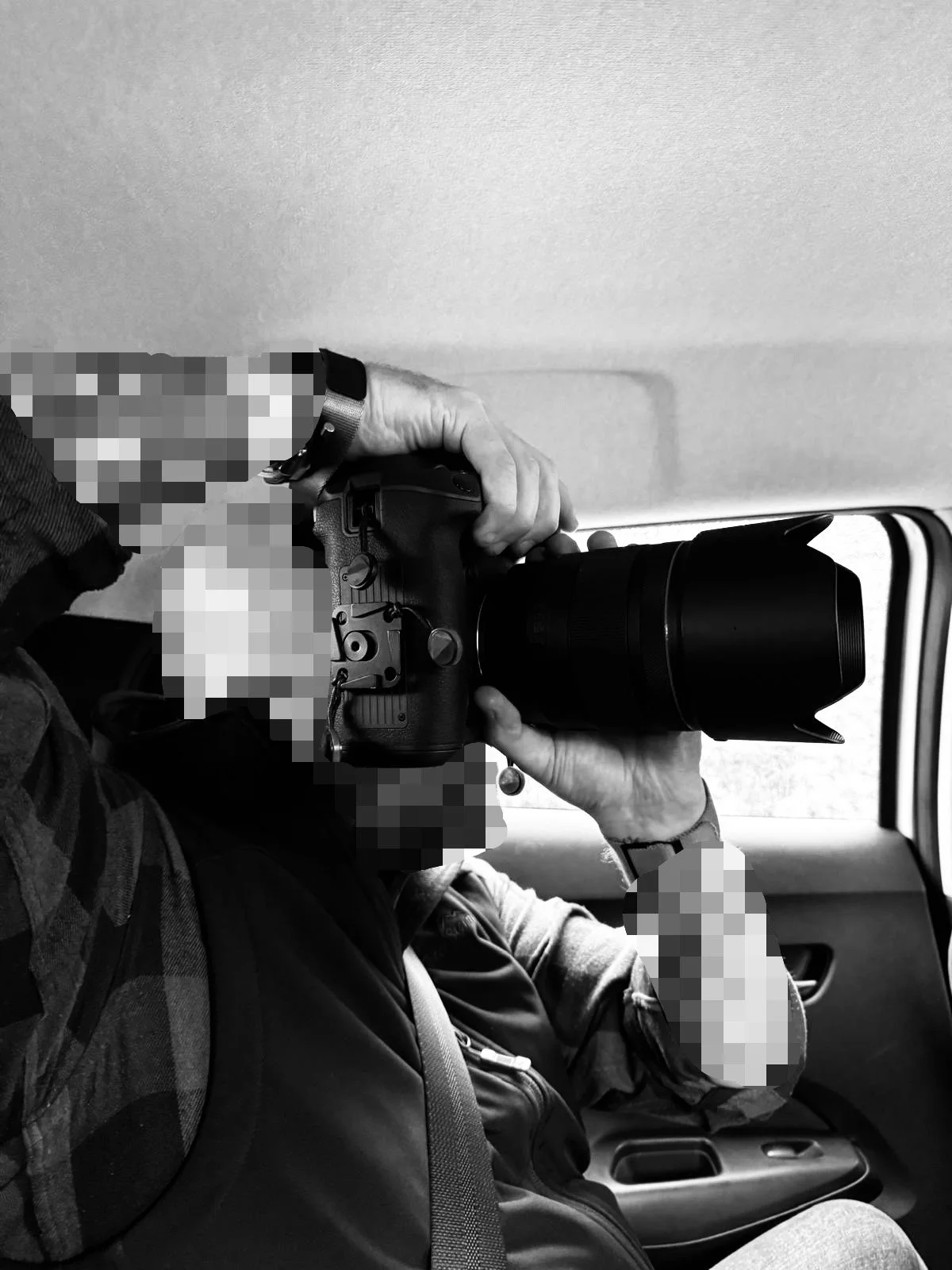
Penetration Testing
Our Red Team operations are designed to rigorously assess the physical, technical, and human security measures protecting your organisation.
-

Investigative Support services
Our Investigative Support services provide specialist assistance to clients who require professional, impartial input during sensitive or complex cases.
-

All Services
Each service is delivered with precision and professionalism, tailored to meet the unique demands of our clients in any environment.